
Conditions A-Z
Have you ever wondered why some people are outgoing while others prefer solitude, why we react differently to stress, or why we make the choices we do? That’s the domain of personality psychology—the study of the psychological forces that shape who we are.

Theories of Psychology
Taking a Closer Look at Sexual Sadism
Written by
soulsunleashed

Theories of Psychology

The Reason Why You Don’t Vibe With Everyone You Meet
Written by
soulsunleashed
Theories of Psychology
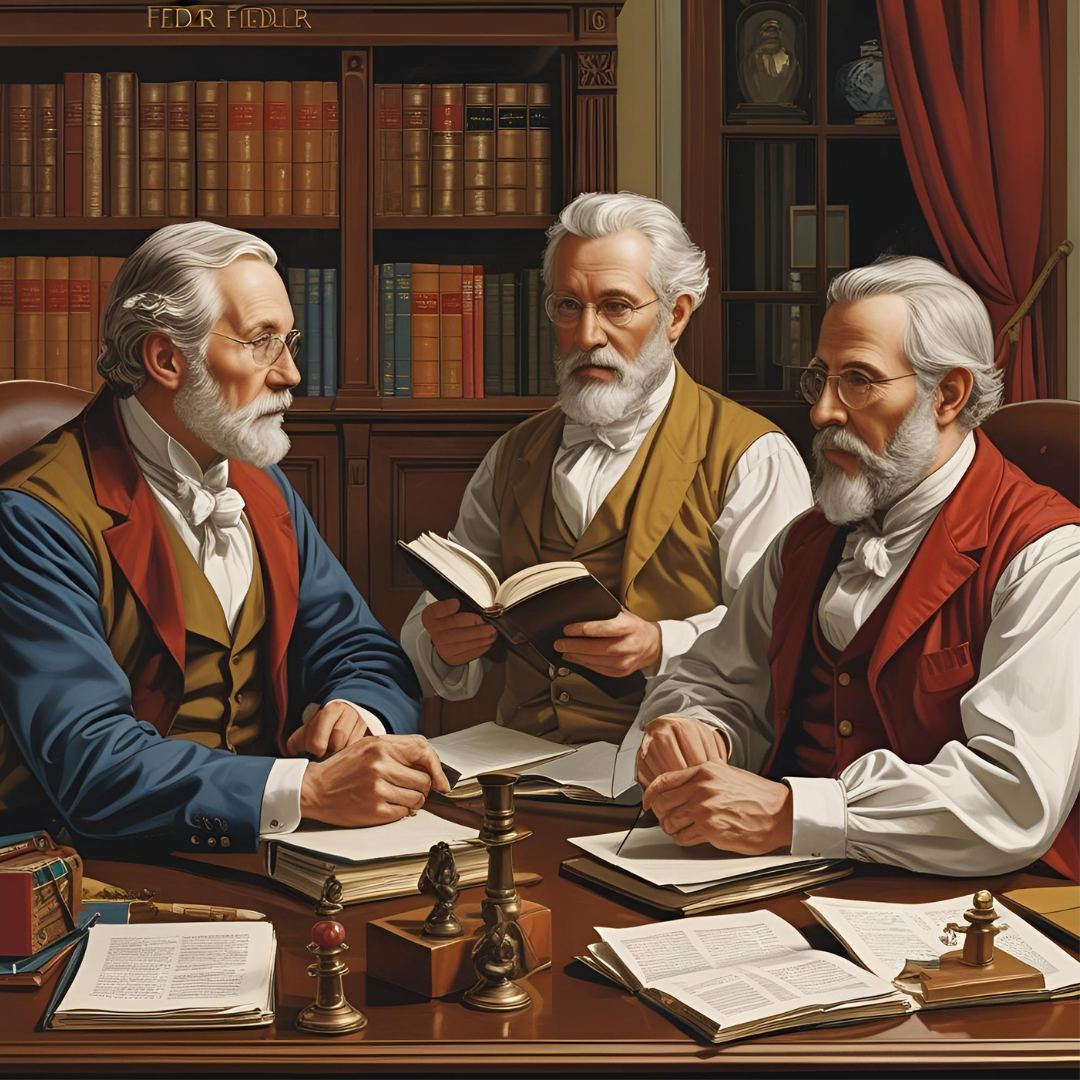
The Fiedler Contingency Model: Matching Leadership Style to the Situation
Written by
soulsunleashed

Theories of Psychology
The Psychology of Cuteness and Why We’re Drawn to the Adorable
Written by
soulsunleashed
FREQUENTLY ASKED QUESTIONS
Can personality change over time?
Yes. Research shows traits can shift gradually across life stages, influenced by experiences and personal growth.
Are personality tests accurate?
Many tests, like the Big Five inventories, have strong scientific validity, though no test is perfect.
How much of personality is genetic?
Studies suggest genetics account for around 40-60% of personality variation, with environment shaping the rest.
Why is personality psychology important?
It helps us understand individual differences, improve relationships, guide mental health treatment, and predict behaviors across contexts.
KEY TERMS
Trait Theory
Trait theories suggest personality consists of stable characteristics that guide behavior. The Big Five Model is the most widely accepted trait framework:
-
Openness to Experience – creativity, curiosity
-
Conscientiousness – organization, reliability
-
Extraversion – sociability, assertiveness
-
Agreeableness – kindness, trust
-
Neuroticism – emotional stability vs. anxiety
Research confirms the Big Five traits predict life outcomes like career success and relationships (Roberts et al., 2007).
Psychoanalytic Theory
Sigmund Freud proposed that personality arises from unconscious drives, conflicts, and childhood experiences. Core concepts include:
-
Id, ego, superego
-
Defense mechanisms (e.g., repression, projection)
-
Psychosexual stages of development
Although controversial, Freud’s ideas spurred decades of research into the unconscious mind (Freud, 1923).
Humanistic Theories
Humanistic theorists like Carl Rogers and Abraham Maslow emphasize:
-
Personal growth
-
Self-actualization
-
Free will and conscious choices
Maslow’s Hierarchy of Needs suggests we strive for fulfillment once basic needs are met (Maslow, 1943).
Trait Theory
Trait theories suggest personality consists of stable characteristics that guide behavior. The Big Five Model is the most widely accepted trait framework:
-
Openness to Experience – creativity, curiosity
-
Conscientiousness – organization, reliability
-
Extraversion – sociability, assertiveness
-
Agreeableness – kindness, trust
-
Neuroticism – emotional stability vs. anxiety
Research confirms the Big Five traits predict life outcomes like career success and relationships (Roberts et al., 2007).
Psychoanalytic Theory
Sigmund Freud proposed that personality arises from unconscious drives, conflicts, and childhood experiences. Core concepts include:
-
Id, ego, superego
-
Defense mechanisms (e.g., repression, projection)
-
Psychosexual stages of development
Although controversial, Freud’s ideas spurred decades of research into the unconscious mind (Freud, 1923).
Humanistic Theories
Humanistic theorists like Carl Rogers and Abraham Maslow emphasize:
-
Personal growth
-
Self-actualization
-
Free will and conscious choices
Maslow’s Hierarchy of Needs suggests we strive for fulfillment once basic needs are met (Maslow, 1943).
Explore Personality Psychology
Taking a Closer Look at Sexual Sadism
Written by
soulsunleashed
Theories of Psychology
The Reason Why You Don’t Vibe With Everyone You Meet
Written by
soulsunleashed
Theories of Psychology
The Fiedler Contingency Model: Matching Leadership Style to the Situation
Written by
soulsunleashed