
Conditions A-Z
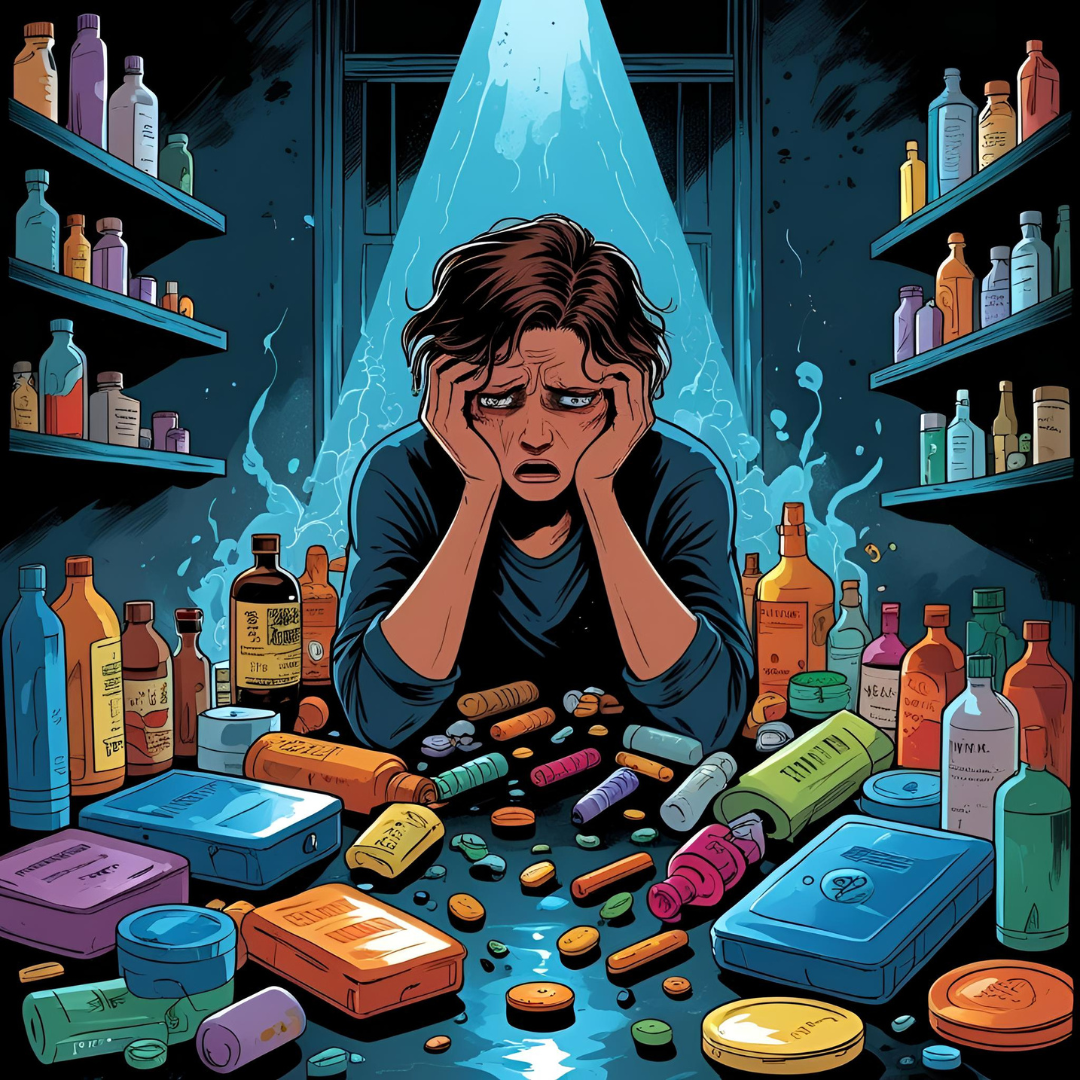
Alcohol addiction is a serious, chronic condition that can have devastating effects on an individual’s health, relationships, and quality of life. It affects millions of people worldwide, yet many suffer in silence due to the stigma surrounding addiction. While alcohol consumption is a socially accepted activity, excessive drinking and dependency on alcohol can lead to severe psychological, emotional, and physical health issues.
Understanding the nature of alcohol addiction, its causes, the signs to watch for, and available treatment options can help individuals suffering from addiction seek appropriate help and support. This comprehensive guide aims to explore all aspects of alcohol addiction, providing the latest insights into its causes, effects, and the most effective recovery methods.
DSM‑5 Criteria for Substance Use Disorders
Written by
soulsunleashed

Addiction

Can You Be Addicted to Self-Improvement?
Written by
soulsunleashed

Addiction
What Does It Mean to Be Sober Curious?
Written by
soulsunleashed

Addiction
Pros and Cons of Tapering Off Alcohol Intake
Written by
soulsunleashed
FREQUENTLY ASKED QUESTIONS
What are the early signs of alcohol addiction?
The early signs of alcohol addiction may include drinking more than intended, experiencing blackouts or memory lapses, and developing a tolerance to alcohol. Individuals may also begin to neglect responsibilities and relationships in favor of drinking.
How long does it take to recover from alcohol addiction?
The recovery process from alcohol addiction varies from person to person. It can take anywhere from several months to several years, depending on the severity of the addiction and the individual’s commitment to treatment. Long-term recovery often involves ongoing therapy and support.
Can someone with alcohol addiction ever fully recover?
Yes, recovery from alcohol addiction is possible. Many individuals achieve long-term sobriety and live fulfilling lives after undergoing treatment. However, recovery requires continuous effort, support, and a commitment to maintaining sobriety.
What is the best treatment for alcohol addiction?
The best treatment for alcohol addiction involves a combination of detoxification, therapy, medication-assisted treatment, and support from groups like Alcoholics Anonymous. Treatment plans should be tailored to the individual’s needs and may involve both inpatient and outpatient care.
KEY TERMS
Detoxification
The first step in overcoming alcohol addiction is often detoxification, which involves safely removing alcohol from the body. Detox should be done under medical supervision, as withdrawal symptoms can be dangerous. The goal of detox is to manage withdrawal symptoms and stabilize the individual before beginning long-term treatment.
Therapy and Counseling
Therapy is a cornerstone of alcohol addiction recovery. Cognitive-behavioral therapy (CBT), motivational interviewing (MI), and other evidence-based approaches can help individuals address the underlying psychological and emotional issues that contribute to their addiction. Counseling, whether individual or group-based, is often an essential component of recovery.
Medication-Assisted Treatment
Medications such as disulfiram (Antabuse), acamprosate (Campral), and naltrexone (ReVia) are commonly used to help individuals manage cravings and reduce the likelihood of relapse. These medications can be used in conjunction with therapy to enhance the effectiveness of treatment.
Support Groups
Support groups like Alcoholics Anonymous (AA) play a vital role in the recovery process. These groups offer a safe, non-judgmental environment for individuals to share their experiences and support one another on the journey to sobriety.
Detoxification
The first step in overcoming alcohol addiction is often detoxification, which involves safely removing alcohol from the body. Detox should be done under medical supervision, as withdrawal symptoms can be dangerous. The goal of detox is to manage withdrawal symptoms and stabilize the individual before beginning long-term treatment.
Therapy and Counseling
Therapy is a cornerstone of alcohol addiction recovery. Cognitive-behavioral therapy (CBT), motivational interviewing (MI), and other evidence-based approaches can help individuals address the underlying psychological and emotional issues that contribute to their addiction. Counseling, whether individual or group-based, is often an essential component of recovery.
Medication-Assisted Treatment
Medications such as disulfiram (Antabuse), acamprosate (Campral), and naltrexone (ReVia) are commonly used to help individuals manage cravings and reduce the likelihood of relapse. These medications can be used in conjunction with therapy to enhance the effectiveness of treatment.
Support Groups
Support groups like Alcoholics Anonymous (AA) play a vital role in the recovery process. These groups offer a safe, non-judgmental environment for individuals to share their experiences and support one another on the journey to sobriety.
Explore Alcohol Addiction
DSM‑5 Criteria for Substance Use Disorders
Written by
soulsunleashed
Addiction
Can You Be Addicted to Self-Improvement?
Written by
soulsunleashed
Addiction
What Does It Mean to Be Sober Curious?
Written by
soulsunleashed