
Conditions A-Z
Biological psychology — sometimes called biopsychology or physiological psychology — seeks to answer these profound questions by connecting biology and behavior. In an era of neuroscience breakthroughs, understanding this link is essential for fields like mental health, medicine, and even artificial intelligence.

Theories of Psychology
Taking a Closer Look at Sexual Sadism
Written by
soulsunleashed

Theories of Psychology

The Reason Why You Don’t Vibe With Everyone You Meet
Written by
soulsunleashed
Theories of Psychology
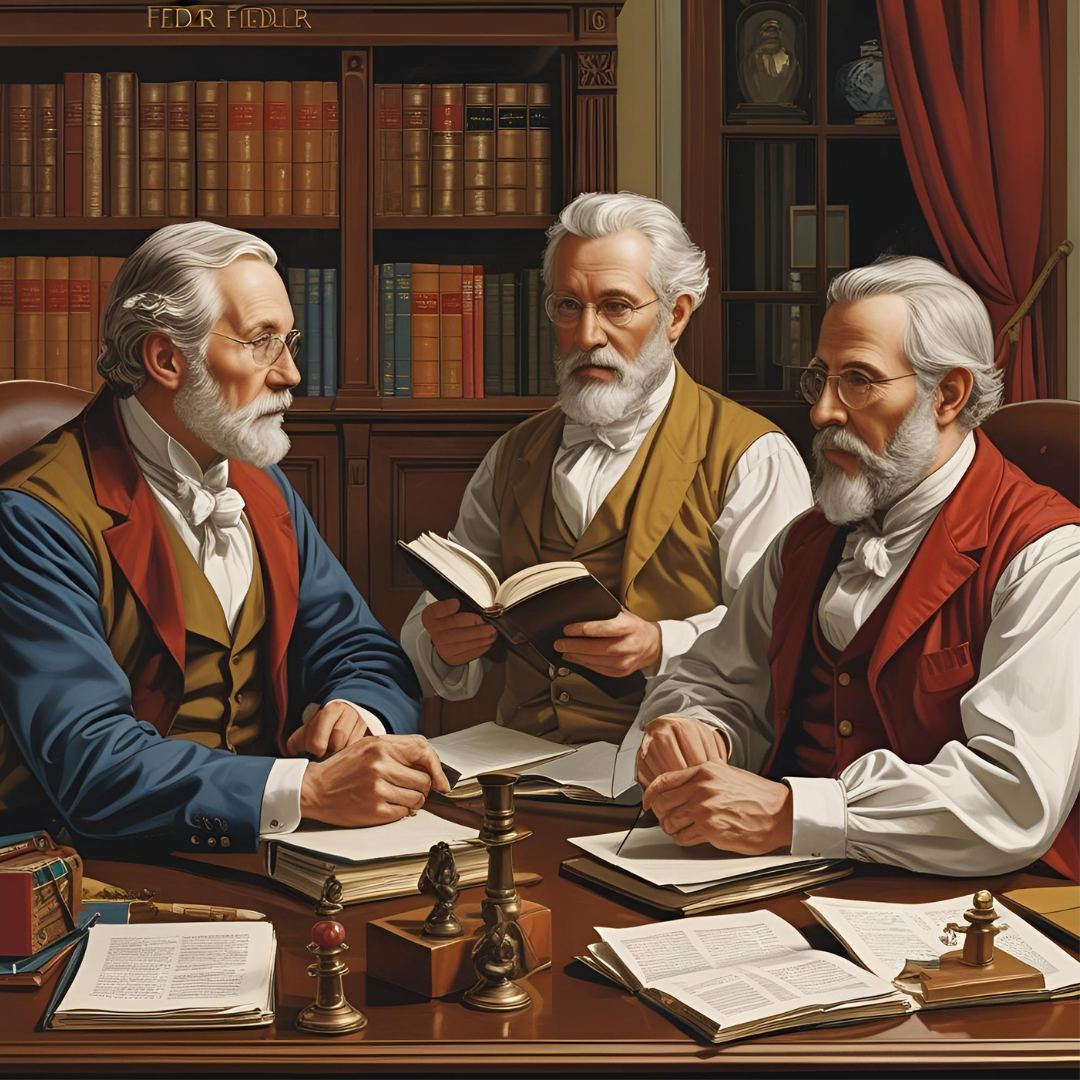
The Fiedler Contingency Model: Matching Leadership Style to the Situation
Written by
soulsunleashed

Theories of Psychology
The Psychology of Cuteness and Why We’re Drawn to the Adorable
Written by
soulsunleashed
FREQUENTLY ASKED QUESTIONS
Is biological psychology the same as neuroscience?
Not exactly. Biological psychology focuses on how biological systems influence behavior and mental processes, whereas neuroscience broadly studies the nervous system, including cellular and molecular mechanisms.
Do genes determine behavior completely?
No. Genes set potentials, but the environment shapes how these potentials develop. It’s a complex interplay between nature and nurture.
How does brain imaging help psychologists?
Imaging shows which brain areas activate during specific tasks, helping link mental processes to physical brain regions.
Why is biological psychology important for mental health?
Because it identifies the biological bases of disorders, leading to more effective treatments through medication, brain stimulation, and other interventions.
KEY TERMS
Brain Structure and Function
-
The brain’s physical structure underpins nearly every mental process. Biological psychologists study:
-
The cerebral cortex for memory, reasoning, and language
-
The amygdala for fear and emotions
-
The hippocampus for learning and spatial memory
-
The basal ganglia for movement and habit formation
Brain injuries or diseases like Alzheimer’s offer insights into how specific regions contribute to behavior (Kolb & Whishaw, 2015).
-
Neurotransmitters and Behavior
-
Neurotransmitters are chemicals that allow neurons to communicate. Imbalances are linked to:
-
Depression (serotonin, norepinephrine)
-
Anxiety disorders (GABA, serotonin)
-
Schizophrenia (dopamine)
-
Parkinson’s disease (dopamine depletion)
Medications often target these chemical systems to restore balance and improve mental health outcomes.
-
Genetics and Behavior
-
Genes influence many psychological traits, including:
-
Personality dimensions
-
Intelligence
-
Susceptibility to mental illness
Twin and adoption studies (Plomin et al., 2016) show significant heritability for traits like schizophrenia, bipolar disorder, and ADHD.
-
Brain Structure and Function
-
The brain’s physical structure underpins nearly every mental process. Biological psychologists study:
-
The cerebral cortex for memory, reasoning, and language
-
The amygdala for fear and emotions
-
The hippocampus for learning and spatial memory
-
The basal ganglia for movement and habit formation
Brain injuries or diseases like Alzheimer’s offer insights into how specific regions contribute to behavior (Kolb & Whishaw, 2015).
-
Neurotransmitters and Behavior
-
Neurotransmitters are chemicals that allow neurons to communicate. Imbalances are linked to:
-
Depression (serotonin, norepinephrine)
-
Anxiety disorders (GABA, serotonin)
-
Schizophrenia (dopamine)
-
Parkinson’s disease (dopamine depletion)
Medications often target these chemical systems to restore balance and improve mental health outcomes.
-
Genetics and Behavior
-
Genes influence many psychological traits, including:
-
Personality dimensions
-
Intelligence
-
Susceptibility to mental illness
Twin and adoption studies (Plomin et al., 2016) show significant heritability for traits like schizophrenia, bipolar disorder, and ADHD.
-
Explore Biological Psychology
Taking a Closer Look at Sexual Sadism
Written by
soulsunleashed
Theories of Psychology
The Reason Why You Don’t Vibe With Everyone You Meet
Written by
soulsunleashed
Theories of Psychology
The Fiedler Contingency Model: Matching Leadership Style to the Situation
Written by
soulsunleashed