
Conditions A-Z
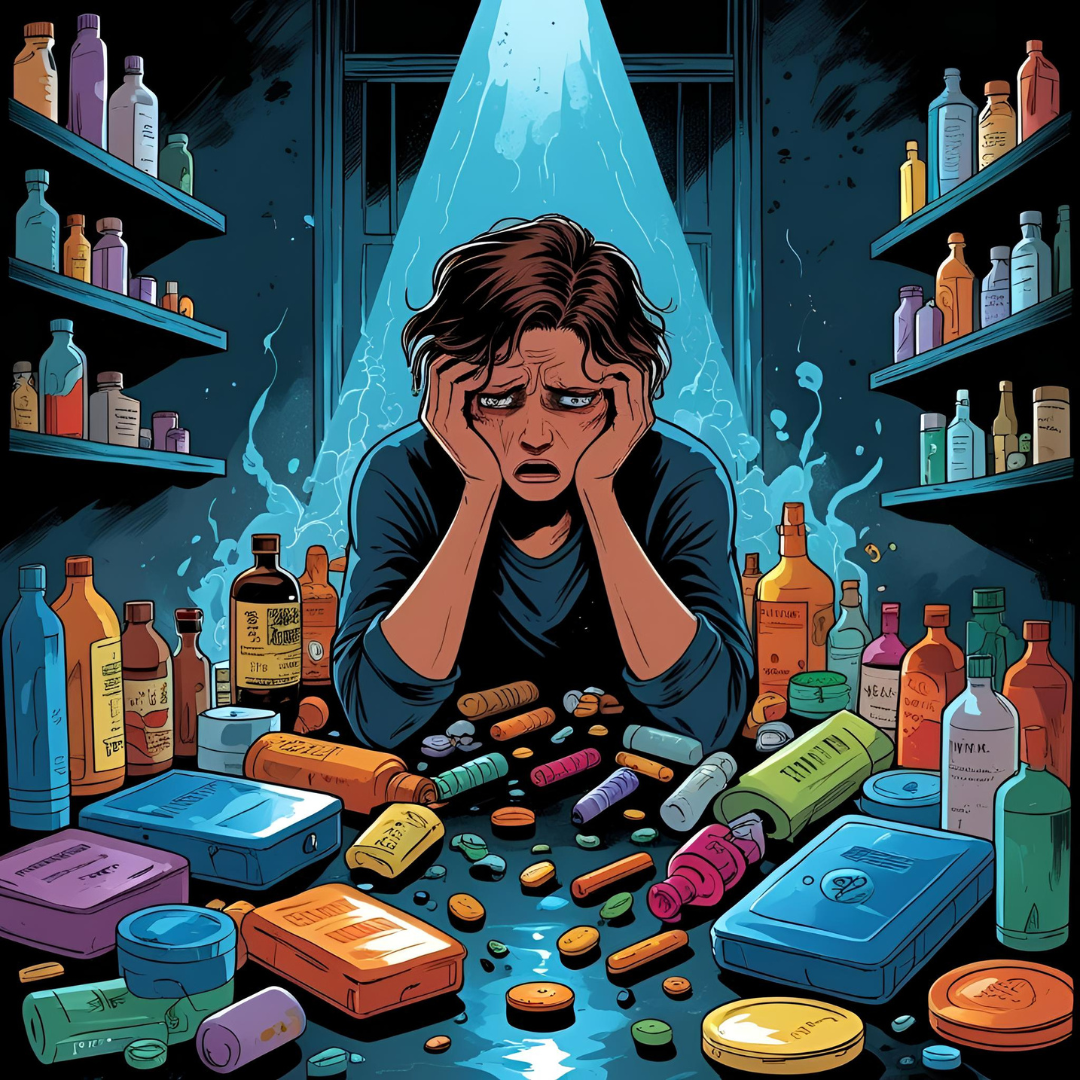
Drug addiction—clinically termed substance use disorder (SUD)—is a chronic, relapsing brain disease marked by compulsive drug seeking and use, despite harmful consequences. The condition changes how the brain functions, particularly in areas involving reward, stress, and self-control NIDA, 2024.
Addiction
DSM‑5 Criteria for Substance Use Disorders
Written by
soulsunleashed

Addiction

Can You Be Addicted to Self-Improvement?
Written by
soulsunleashed

Addiction
What Does It Mean to Be Sober Curious?
Written by
soulsunleashed

Addiction
Pros and Cons of Tapering Off Alcohol Intake
Written by
soulsunleashed
FREQUENTLY ASKED QUESTIONS
What is the difference between drug dependence and drug addiction?
Dependence means your body has adapted to the drug and develops withdrawal symptoms if you stop. Addiction includes dependence plus compulsive behavior and inability to control use.
Can someone fully recover from drug addiction?
Yes. While addiction is chronic, many individuals achieve long-term recovery through treatment, lifestyle changes, and support systems.
Are some drugs more addictive than others?
Yes. Drugs like opioids, methamphetamine, and nicotine have particularly high addictive potential due to how they affect the brain’s reward system.
What should I do if I suspect someone has a drug problem?
Approach them with compassion. Avoid judgment, encourage them to seek professional help, and consider resources like the Substance Abuse and Mental Health Services Administration (SAMHSA) National Helpline: 1-800-662-HELP (4357).
KEY TERMS
Tolerance
A state where increasing amounts of a drug are needed to achieve the same effect due to repeated use.
Withdrawal
Physical or psychological symptoms that occur when a person stops using a drug their body has become dependent on.
Medication-Assisted Treatment (MAT)
An evidence-based approach combining medications (like methadone or buprenorphine) with counseling and behavioral therapies to treat substance use disorders.
Drug Addiction
A chronic brain disorder marked by compulsive drug use despite harmful consequences, causing changes in brain structure and function.
Tolerance
A state where increasing amounts of a drug are needed to achieve the same effect due to repeated use.
Withdrawal
Physical or psychological symptoms that occur when a person stops using a drug their body has become dependent on.
Medication-Assisted Treatment (MAT)
An evidence-based approach combining medications (like methadone or buprenorphine) with counseling and behavioral therapies to treat substance use disorders.
Drug Addiction
A chronic brain disorder marked by compulsive drug use despite harmful consequences, causing changes in brain structure and function.
Explore Drug Addiction
DSM‑5 Criteria for Substance Use Disorders
Written by
soulsunleashed
Addiction
Can You Be Addicted to Self-Improvement?
Written by
soulsunleashed
Addiction
What Does It Mean to Be Sober Curious?
Written by
soulsunleashed