
Conditions A-Z
Generalized Anxiety Disorder (GAD) is a prevalent and chronic mental health condition characterized by excessive, uncontrollable worry about various aspects of daily life. Unlike transient anxiety, GAD persists over time and can significantly impair an individual’s ability to function effectively in social, occupational, and other important areas of life.
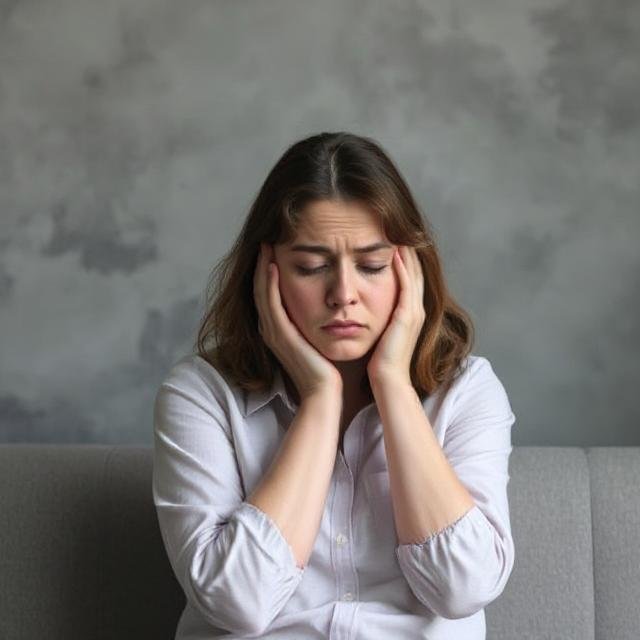
Anxiety
Understanding Unexplained Anxiety
Written by
soulsunleashed
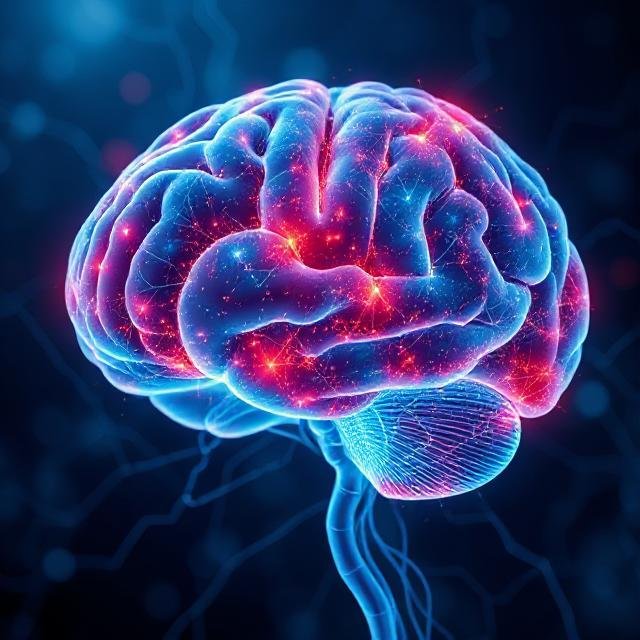
Anxiety

Insights into Its Impact on the Brain
Written by
soulsunleashed
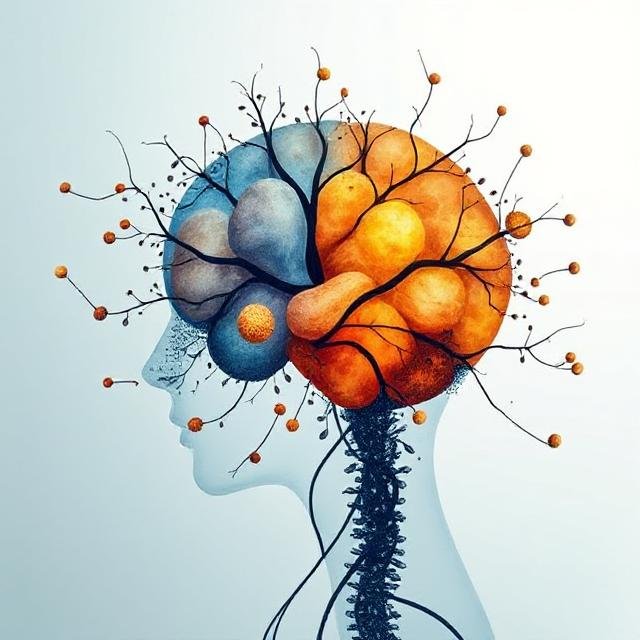
Anxiety
Social Anxiety Disorder
Written by
soulsunleashed
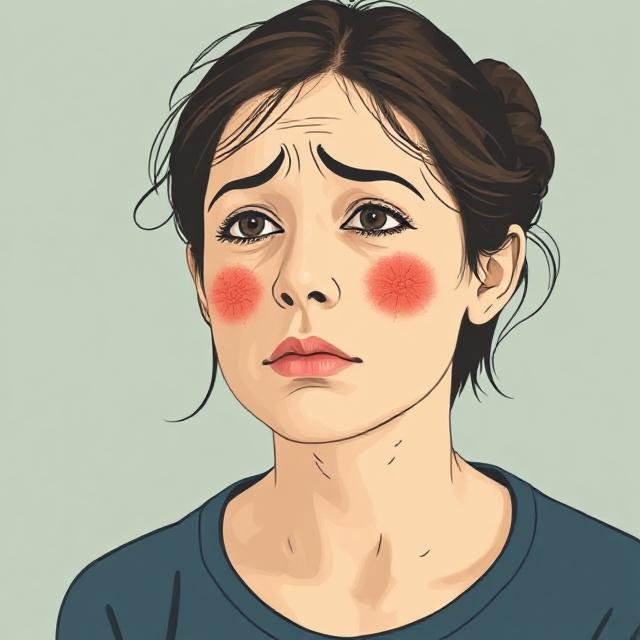
Anxiety
Generalized Anxiety Disorder (GAD)
Written by
soulsunleashed
FREQUENTLY ASKED QUESTIONS
Can GAD develop suddenly?
While GAD often develops gradually, it can appear suddenly, especially after a stressful event or life change.
Is GAD a lifelong condition?
With appropriate treatment, many individuals can manage their symptoms effectively. However, some may experience recurring episodes.
Are there natural remedies for GAD?
Some individuals find relief through practices like yoga, meditation, and acupuncture. It’s essential to consult with a healthcare provider before trying alternative treatments.
How can I support someone with GAD?
Offer a listening ear, encourage them to seek professional help, and be patient. Avoid minimizing their feelings or offering unsolicited advice.
KEY TERMS
Pharmacotherapy
- Selective Serotonin Reuptake Inhibitors (SSRIs): Medications like sertraline and escitalopram are commonly prescribed and have shown efficacy in reducing anxiety symptoms.
- Serotonin-Norepinephrine Reuptake Inhibitors (SNRIs): Drugs such as venlafaxine are also effective and may be considered when SSRIs are not suitable.
- Benzodiazepines: While effective for short-term relief, these are generally avoided for long-term treatment due to the risk of dependence.
- Buspirone: An alternative for those who do not respond well to SSRIs or SNRIs.
Psychotherapy
- Cognitive Behavioral Therapy (CBT): This is the most effective form of psychotherapy for GAD. CBT helps individuals identify and challenge irrational thoughts and beliefs, leading to reduced anxiety symptoms.
- Mindfulness-Based Stress Reduction (MBSR): Incorporates mindfulness meditation to help individuals become more aware of their thoughts and feelings without judgment.
- Acceptance and Commitment Therapy (ACT): Encourages individuals to accept their thoughts and feelings rather than fighting them, promoting psychological flexibility.
Lifestyle Modifications
- Regular physical activity: Exercise can help reduce anxiety and improve mood.
- Adequate sleep: Poor sleep can exacerbate anxiety symptoms.
- Balanced diet: Nutritional deficiencies can impact mental health.
- Stress management techniques: Practices such as yoga, meditation, and deep breathing exercises can be beneficial.
Pharmacotherapy
- Selective Serotonin Reuptake Inhibitors (SSRIs): Medications like sertraline and escitalopram are commonly prescribed and have shown efficacy in reducing anxiety symptoms.
- Serotonin-Norepinephrine Reuptake Inhibitors (SNRIs): Drugs such as venlafaxine are also effective and may be considered when SSRIs are not suitable.
- Benzodiazepines: While effective for short-term relief, these are generally avoided for long-term treatment due to the risk of dependence.
- Buspirone: An alternative for those who do not respond well to SSRIs or SNRIs.
Psychotherapy
- Cognitive Behavioral Therapy (CBT): This is the most effective form of psychotherapy for GAD. CBT helps individuals identify and challenge irrational thoughts and beliefs, leading to reduced anxiety symptoms.
- Mindfulness-Based Stress Reduction (MBSR): Incorporates mindfulness meditation to help individuals become more aware of their thoughts and feelings without judgment.
- Acceptance and Commitment Therapy (ACT): Encourages individuals to accept their thoughts and feelings rather than fighting them, promoting psychological flexibility.
Lifestyle Modifications
- Regular physical activity: Exercise can help reduce anxiety and improve mood.
- Adequate sleep: Poor sleep can exacerbate anxiety symptoms.
- Balanced diet: Nutritional deficiencies can impact mental health.
- Stress management techniques: Practices such as yoga, meditation, and deep breathing exercises can be beneficial.
Explore Generalized Anxiety Disorder
Understanding Unexplained Anxiety
Written by
soulsunleashed
Anxiety
Insights into Its Impact on the Brain
Written by
soulsunleashed
Anxiety
Social Anxiety Disorder
Written by
soulsunleashed