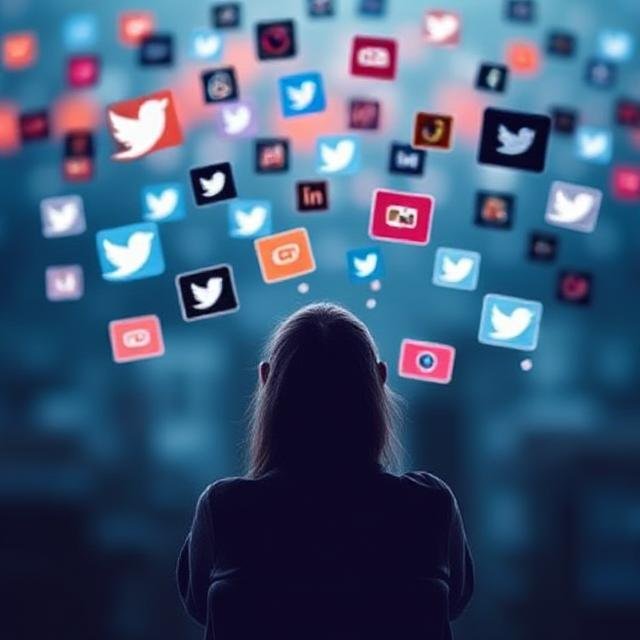
Social Media and Depression: The Big Picture
Social media has become an integral part of daily life, with over 4.9 billion people worldwide using platforms like Facebook, Instagram, TikTok, and X (formerly Twitter) (Statista, 2024).
While these platforms help us connect, research increasingly links excessive or unhealthy social media use to higher rates of depression, especially among adolescents and young adults. A 2023 review found that individuals who spend more than three hours daily on social media have a significantly higher risk of depressive symptoms (NIH, 2023).
How Social Media Contributes to Depression
Social media’s role in depression is complex and multifaceted. Here’s how it can negatively influence mental health:
Social Comparison and Low Self-Esteem
Social platforms highlight curated, filtered moments of people’s lives. This “highlight reel” effect can trigger:
- Feelings of inadequacy
- Body image concerns
- Decreased self-worth
People often compare their reality to others’ best moments, fueling depressive thoughts (APA, 2023).
Cyberbullying and Online Harassment
Social media has amplified bullying beyond schoolyards. Harassment online can include:
- Name-calling
- Doxing (publishing private information)
- Threats
Cyberbullying victims are at higher risk for depression, anxiety, and suicidal ideation.
Disrupted Sleep Patterns
Late-night scrolling keeps the brain stimulated and exposes users to blue light, which disrupts melatonin production and sleep quality. Poor sleep is strongly linked to depression.
Fear of Missing Out (FOMO)
Seeing friends post about events, vacations, or social activities can create a sense of exclusion. FOMO can lead to:
- Loneliness
- Low mood
- Compulsive social media checking
Reduced Face-to-Face Connections
High social media usage often replaces real-life interactions, which are vital for emotional health. This isolation can worsen depressive symptoms.
Doomscrolling and Negative News Exposure
Constant exposure to distressing news, political conflict, or crises can fuel anxiety and depression—a phenomenon known as “doomscrolling.” Studies link high media consumption during crises (e.g., pandemics, wars) to worsened mental health.
Can Social Media Have Positive Effects?
Despite its risks, social media isn’t inherently harmful. Research shows it can be beneficial when used intentionally:
- Staying connected with distant family or friends
- Finding support groups (e.g., mental health communities)
- Accessing health information
- Promoting creative expression
The key is mindful use, not constant engagement.
Balancing Social Media Use for Better Mental Health
Here’s how to manage social media in a healthier way:
- Set time limits: Try apps that monitor screen time.
- Curate your feed: Unfollow accounts that make you feel inadequate.
- Avoid screens before bed: Protect sleep hygiene.
- Take digital detox days: Give your brain a break.
- Check your mood: Notice how you feel after using social media.